
A comprehensive guide for beginners on the Ketogenic Diet


A comprehensive guide for beginners on the Ketogenic Diet
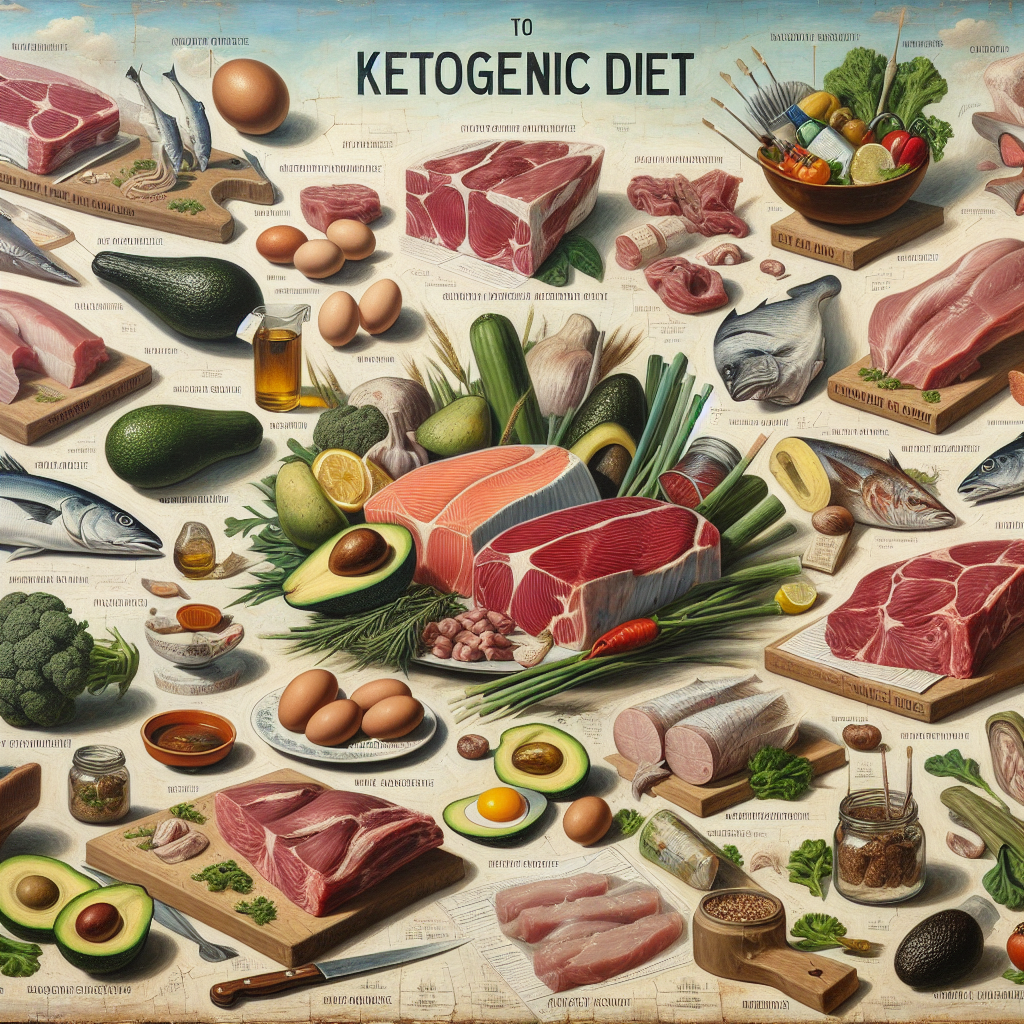
Are you intrigued by the buzz surrounding the ketogenic diet? Looking to shed some pounds, improve your energy levels, or simply explore a new way of eating? A comprehensive guide for beginners on the Ketogenic Diet, is your starting point. We’ll break down everything from the science behind keto to practical tips for success, helping you navigate the world of low-carb, high-fat eating with confidence. Let’s get started!
Table of Contents
- What is the Ketogenic Diet?
- Types of Ketogenic Diets
- Latest Trends in the Keto Diet
- Ketogenic Diet Statistics
- Benefits of the Ketogenic Diet
- Drawbacks and Side Effects of the Ketogenic Diet
- Precautions When Starting a Keto Diet
- Expert Opinions on the Ketogenic Diet
- Ketogenic Diet Market Trends
- FAQ: Your Keto Questions Answered
- Conclusion: Is Keto Right for You?
What is the Ketogenic Diet?
The ketogenic diet, often shortened to keto, is a high-fat, very low-carbohydrate diet that forces your body into a metabolic state called ketosis. Instead of relying on glucose from carbohydrates for energy, your body begins to break down stored fat into molecules called ketones, which it then uses as its primary fuel source. This metabolic shift can lead to weight loss and other potential health benefits. Sounds interesting, right?
At its core, the keto diet involves dramatically reducing your carbohydrate intake and replacing it with fat. This reduction typically means limiting your daily carbohydrate intake to between 20 and 50 grams per day. To give you a better understanding, a standard keto diet (SKD) typically consists of around 75% fat, 20% protein, and only 5% carbohydrates, according to Bolst Global.
Ketosis, the hallmark of the ketogenic diet, is a metabolic state where your body switches from using glucose (from carbohydrates) to using ketones (from fat) as its main energy source. This happens when your carbohydrate intake is significantly restricted, forcing your liver to convert fat into fatty acids and ketones. These ketones then circulate in your bloodstream, providing energy to your brain, muscles, and other tissues.
Interestingly, the ketogenic diet wasn’t originally developed for weight loss. It was initially created in the 1920s as a therapeutic diet for treating epilepsy, particularly in children. Researchers discovered that the metabolic changes induced by keto could help reduce the frequency of seizures. While its application for epilepsy continues, the keto diet has gained immense popularity for its potential weight loss and other health benefits. Thinking about trying it?
Types of Ketogenic Diets
While the standard ketogenic diet (SKD) is the most common, there are several variations of the keto diet, each with its own nuances and intended uses. Choosing the right type depends on your individual goals, lifestyle, and activity level. Let’s explore the different options:
- Standard Ketogenic Diet (SKD): As mentioned earlier, the SKD is a very low-carb, moderate-protein, and high-fat diet. It typically consists of approximately 75% fat, 20% protein, and 5% carbohydrates. This is the most widely researched and commonly followed type of keto diet.
- Cyclical Ketogenic Diet (CKD): The CKD involves periods of following a standard keto diet interspersed with periods of higher carbohydrate intake, often referred to as “carb refeeds.” A common example is following a keto diet for 5 days and then consuming higher carbohydrates for 2 days. This approach is sometimes used by athletes seeking to replenish glycogen stores.
- Targeted Ketogenic Diet (TKD): The TKD allows for the consumption of carbohydrates around workout times. This strategy is designed to provide fuel for exercise while maintaining ketosis for the majority of the time. Individuals following a TKD typically consume carbohydrates 30-60 minutes before or after their workouts.
- High-Protein Ketogenic Diet: Similar to the SKD, the high-protein keto diet includes a higher proportion of protein. While the exact macronutrient ratios can vary, it generally consists of around 60% fat, 35% protein, and 5% carbohydrates. This variation may be suitable for individuals looking to build or maintain muscle mass.
So, which one is right for you? Each variation has its own potential benefits and drawbacks. The Standard Ketogenic Diet (SKD) is generally recommended for beginners due to its simplicity and well-established guidelines. However, individuals with specific needs or goals, such as athletes or those seeking to build muscle, may find the Cyclical Ketogenic Diet (CKD) or High-Protein Ketogenic Diet more suitable. It’s always best to consult with a healthcare professional or registered dietitian before making significant changes to your diet.
Latest Trends in the Keto Diet
The ketogenic diet is not just a fleeting fad; it’s a constantly evolving landscape with new trends emerging all the time. Understanding these trends can help you make informed choices and stay up-to-date with the latest developments in the keto world. Let’s explore some of the most prominent trends shaping the future of the ketogenic diet:
- Personalized Nutrition: One of the biggest trends is the move toward personalized nutrition. With advances in data analysis and artificial intelligence (AI), customized keto meal plans and recommendations are becoming increasingly accessible. These personalized plans take into account individual factors like genetics, metabolism, and activity level to optimize results.
- Plant-Based Alternatives: As the demand for plant-based options continues to rise, the keto diet is adapting to cater to vegetarian and vegan consumers. Numerous plant-based keto recipes and products are now available, making it easier for individuals to follow a keto diet without relying on animal products.
- Premium Products: Consumers are increasingly seeking out high-quality keto products that are organic, Non-GMO, and free from artificial additives. This trend reflects a growing awareness of the importance of clean and sustainable ingredients. Expect to see more premium keto snacks, supplements, and meal replacements hitting the market.
- Healthy Indulgence: People want to enjoy their food without compromising their health goals. The “healthy indulgence” trend is all about finding keto-friendly options that provide both satiety and taste satisfaction. This includes things like keto-friendly desserts, low-carb versions of comfort foods, and snacks that are both delicious and nutritious.
These trends indicate that the keto diet is becoming more accessible, personalized, and sustainable. As technology and research continue to advance, we can expect to see even more innovations in the keto space, making it easier for individuals to achieve their health and wellness goals while enjoying a delicious and satisfying diet.
Ketogenic Diet Statistics
Numbers don’t lie! The ketogenic diet’s popularity is reflected in numerous statistics. These figures offer a glimpse into the diet’s impact and growth in recent years. Let’s take a look at some key statistics related to the ketogenic diet:
- In 2020, “keto” was the most searched food-related topic globally, with a staggering 25.4 million searches (Bolst Global). This highlights the immense interest and curiosity surrounding the keto diet.
- The keto diet market was valued at $9.57 billion in 2019 (PMC), demonstrating its significant economic impact.
- Estimates suggest the keto diet market reached $11-12 billion in 2022, with a growth rate of approximately 5% (UC Davis). This indicates the continued expansion of the keto industry.
- In Europe, the percentage of consumers following a keto diet increased from 3.2% to 3.4% as of 2024 (Food Navigator). This shows a steady rise in adoption across the continent.
- Sales of keto-related products in Western Europe are projected to grow at an average annual rate (CAGR) of 30% from 2023 to 2028 (Food Navigator). This impressive growth forecast signals a strong future for the keto market.
These statistics paint a clear picture of the ketogenic diet’s widespread appeal and growing market. As more people discover the potential benefits of keto, the demand for related products and services is likely to continue to increase. Keep these numbers in mind as you consider your own keto journey.
Benefits of the Ketogenic Diet
Why are so many people turning to the ketogenic diet? The potential benefits are a major draw. From weight loss to improved blood sugar control, keto has been associated with a range of positive outcomes. But what does the science say? Let’s explore some of the most well-known benefits:
- Weight Loss: The keto diet can be effective for short-term weight loss (HealthPoint, Northwestern Medicine). One study showed that keto dieters lost 0.91 kg more than those on a low-fat diet after 12 months (UC Davis). The reduction in carbohydrate intake and the subsequent metabolic shift to ketosis can contribute to weight loss by increasing fat burning and reducing appetite.
- Blood Sugar Control: Keto can help lower blood sugar levels and reduce the need for diabetes medication (HealthPoint, PMC). In one study, patients on a keto diet reduced their diabetes medication use by 81% (PMC). By limiting carbohydrate intake, the keto diet helps stabilize blood sugar levels and improve insulin sensitivity.
- Brain Function Improvement: Research suggests keto may improve cognitive function in people with Alzheimer’s disease (KU Medical Center). Ketones, the alternative fuel source produced during ketosis, can provide a more efficient energy source for the brain.
- Epilepsy Seizure Reduction: The keto diet has been shown to be effective in reducing the frequency of seizures, particularly in children with epilepsy (Northwestern Medicine, 위키백과). This was the original medical application of the diet.
- Cardiovascular Disease Risk Reduction: Keto may lead to decreased triglycerides and increased HDL cholesterol (PMC). These changes can contribute to a reduced risk of heart disease.
- Appetite Suppression: Ketones themselves may have appetite-suppressing effects (PMC, Food Navigator). This can make it easier to stick to a calorie-restricted diet and achieve weight loss goals.
It’s important to remember that while the keto diet offers several potential benefits, it’s not a magic bullet. Individual results can vary, and it’s essential to consider the potential drawbacks and consult with a healthcare professional before starting any new diet.
Drawbacks and Side Effects of the Ketogenic Diet
While the ketogenic diet has gained popularity for its potential benefits, it’s crucial to be aware of the potential drawbacks and side effects. Like any significant dietary change, keto can come with some challenges. Let’s take a look at some of the potential downsides:
- Nutrient Deficiencies: Restricting fruits, vegetables, and whole grains can lead to deficiencies in vitamins, minerals, and fiber (Northwestern Medicine). A well-planned keto diet can mitigate this risk, but careful attention to nutrient intake is essential.
- Keto Flu: Common symptoms include headache, fatigue, constipation, dizziness, and nausea (HealthPoint, KU Medical Center). This is often a temporary condition that occurs as your body adapts to using ketones for fuel.
- Kidney Problems: Keto may increase the risk of kidney stones and worsen existing kidney disease (Northwestern Medicine, KU Medical Center). Individuals with kidney problems should exercise caution and consult with a doctor.
- Increased Cholesterol: Increased intake of saturated fats can lead to higher LDL cholesterol levels (HealthPoint, PMC). Regular monitoring of cholesterol levels is recommended.
- Sustainability: Long-term adherence can be challenging, and weight regain is possible after stopping the diet (HealthPoint, Northwestern Medicine). Finding sustainable eating habits is key to long-term success.
- Digestive Issues: High-fat diets can cause indigestion, constipation, or diarrhea (Vitashop). Adequate hydration and fiber intake can help alleviate these issues.
- Accelerated Cell Aging: Some research suggests that long-term keto may accelerate the aging process. More research is needed to fully understand this potential risk.
- Psychological Stress: Restricting carbohydrates can be mentally challenging for some individuals. Finding enjoyable keto-friendly foods and strategies for managing cravings is crucial.
It’s important to weigh the potential benefits and drawbacks carefully before starting the ketogenic diet. Consulting with a healthcare professional or registered dietitian can help you determine if keto is the right choice for you and develop a plan to minimize potential risks.
Precautions When Starting a Keto Diet
Before diving headfirst into the world of keto, it’s essential to take certain precautions to ensure your safety and well-being. This isn’t a diet to be taken lightly. Proper planning and awareness are key to a successful and healthy keto journey. Here are some important precautions to consider:
- Consult with a Doctor or Nutritionist: This is perhaps the most important step. Discuss your health history and any pre-existing conditions with a healthcare professional before starting keto (HealthPoint, Vitashop). They can help you determine if keto is safe and appropriate for you.
- Stay Hydrated: Dehydration is a common side effect of the keto diet, especially in the initial stages (KU Medical Center). Drink plenty of water throughout the day to avoid this.
- Replenish Electrolytes: Electrolyte imbalances can occur due to the reduced carbohydrate intake (Healthline). Consider supplementing with minerals like sodium, potassium, and magnesium.
- Monitor Kidney Health: If you have existing kidney problems, be especially cautious and closely monitor your kidney function (KU Medical Center). The keto diet can put extra stress on the kidneys.
- Maintain Nutritional Balance: Focus on consuming a variety of nutrient-dense foods to avoid deficiencies (Northwestern Medicine). Don’t just focus on fat; prioritize nutrient-rich vegetables and healthy protein sources.
- Take a Long-Term Perspective: Don’t solely focus on short-term weight loss. Aim for sustainable, healthy eating habits that you can maintain over the long term (HealthPoint). Keto is a lifestyle change, not a quick fix.
By taking these precautions, you can minimize potential risks and maximize the chances of a successful and healthy experience with the ketogenic diet.
Expert Opinions on the Ketogenic Diet
What do the experts say about the ketogenic diet? It’s important to consider various perspectives from healthcare professionals and researchers. Here’s a summary of expert opinions and considerations surrounding the keto diet:
- The keto diet can be effective for short-term weight loss, but more research is needed on its long-term safety and efficacy. This reflects the ongoing debate about the long-term sustainability and potential risks of the diet.
- Some experts are concerned about the potential link between high-fat diets and heart disease (Vitashop). The type of fat consumed is a crucial factor to consider.
- The effects and side effects of the keto diet can vary depending on individual health conditions and goals (Vitashop). This highlights the importance of personalization and individual assessment.
- Maintaining a balanced diet and consuming sufficient nutrients is essential (UChicago Medicine). Focusing solely on macronutrient ratios can lead to deficiencies.
- Combining keto with exercise can help maintain muscle mass and prevent muscle loss. This is particularly important for long-term health and metabolic function.
Expert opinions emphasize the need for careful consideration, individualization, and a balanced approach when following the ketogenic diet. Consulting with a healthcare professional and staying informed about the latest research are crucial for making informed decisions about your health.
Ketogenic Diet Market Trends
The ketogenic diet’s popularity has fueled a booming market for keto-friendly products and services. Understanding these trends can give you insights into the types of products available and the direction the market is heading. Let’s explore the key trends shaping the ketogenic diet market:
- The keto diet market is continuously growing, with a wide range of keto-related products being launched (PMC, UC Davis). This reflects the increasing demand and consumer interest in keto.
- Online sales are a major distribution channel, particularly for keto protein shakes and powders (Bolst Global). Convenience and accessibility are driving online sales.
- There’s a growing demand for keto-friendly snack products, with an increasing number of products labeled as “keto-friendly” (Bolst Global). This caters to consumers seeking convenient and on-the-go keto options.
These trends indicate that the keto market is becoming more diverse and accessible. Consumers now have a wider range of options to choose from, making it easier to incorporate keto into their lifestyles.
FAQ: Your Keto Questions Answered
Still have questions about the ketogenic diet? You’re not alone! Here are some frequently asked questions to clarify common misconceptions and provide additional information:
-
Q: Will the keto diet work for me?
A: The effectiveness of the keto diet varies from person to person. Factors like individual metabolism, genetics, and adherence to the diet play a significant role. Consult with a healthcare professional to determine if keto is suitable for you.
-
Q: How long does it take to get into ketosis?
A: It typically takes 2-7 days to enter ketosis, depending on your carbohydrate intake and activity level. Monitoring ketone levels through blood, urine, or breath tests can help you confirm that you’re in ketosis.
-
Q: What foods can I eat on keto?
A: Keto-friendly foods include meats, fish, eggs, cheese, avocados, nuts, seeds, and non-starchy vegetables like leafy greens, broccoli, and cauliflower.
-
Q: How do I deal with the keto flu?
A: To combat the keto flu, stay hydrated, replenish electrolytes, get enough sleep, and avoid strenuous exercise in the initial stages of the diet.
-
Q: Is the keto diet safe long-term?
A: The long-term safety of the keto diet is still being studied. Consult with a healthcare professional and monitor your health regularly to ensure it remains safe for you.
Conclusion: Is Keto Right for You?
The ketogenic diet is a powerful tool that can potentially lead to weight loss, improved blood sugar control, and other health benefits. However, it’s not a one-size-fits-all solution and comes with potential drawbacks and side effects. As we’ve explored in this comprehensive guide for beginners on the Ketogenic Diet, success requires careful planning, attention to nutrient intake, and ongoing monitoring.
Ultimately, the decision of whether or not to try the keto diet is a personal one. Weigh the potential benefits and risks, consider your individual health goals and preferences, and most importantly, consult with a healthcare professional or registered dietitian. They can provide personalized guidance and help you determine if keto is the right choice for you.
Ready to explore further? Check out our collection of delicious keto recipes to get started on your journey! And if you’re still unsure, schedule a consultation with a registered dietitian to discuss your specific needs and goals. Your health is worth it!
