
Keto Diet: Avoid These 5 Foods That Ruin Keto
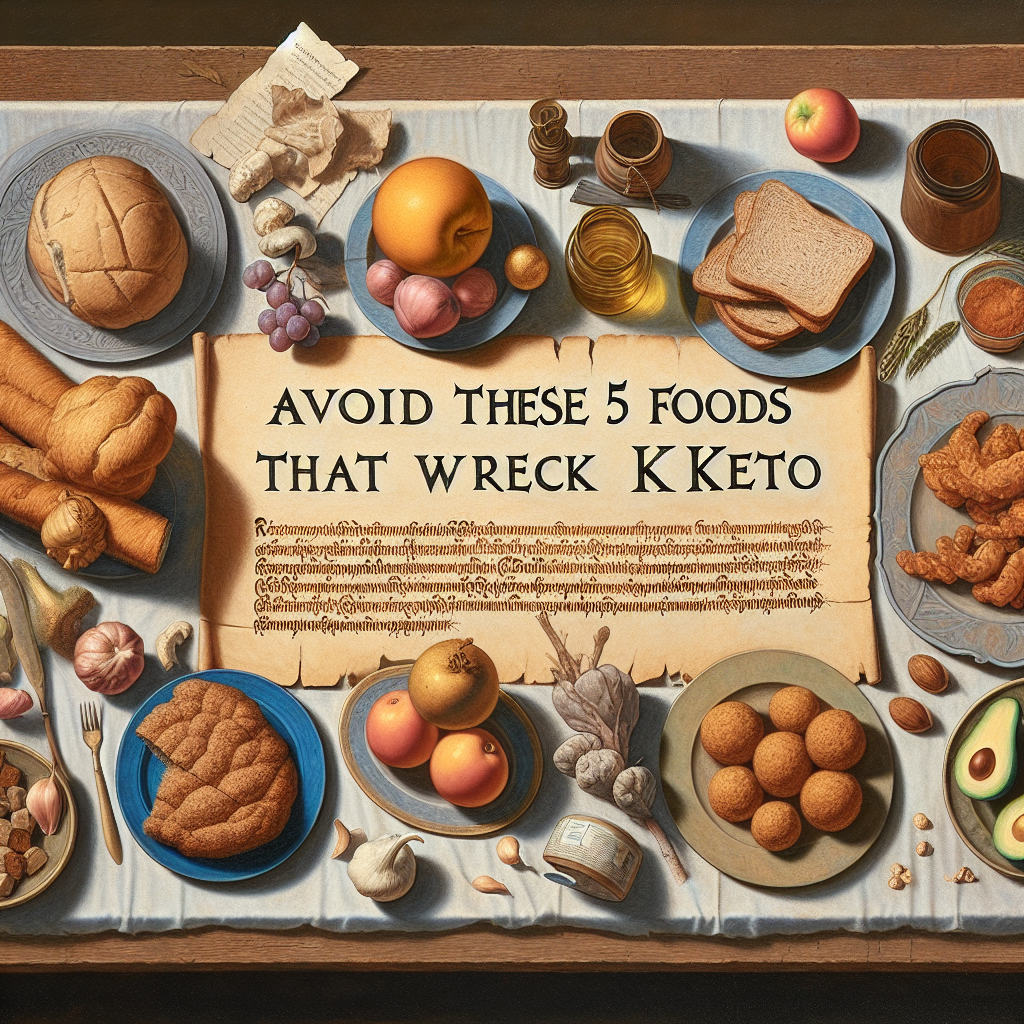

Table of Contents
Introduction
The ketogenic diet, often shortened to “keto,” is a dietary approach focused on drastically reducing carbohydrate intake and replacing it with fat. This metabolic shift forces your body to burn fat for fuel instead of glucose, producing ketones in the process. Staying on track requires vigilance, especially when it comes to avoiding common dietary pitfalls. This blog post will explore the 5 foods to keep away on the Keto Diet to ensure you maintain ketosis and achieve your desired results.
Are you ready to unlock the secrets to keto success? Then buckle up, because we’re diving deep into the food no-nos that can derail your progress. We’ll equip you with the knowledge to navigate the grocery store and make informed choices that support your ketogenic journey.
Think of this guide as your keto compass, pointing you towards a path of sustained ketosis and optimal health. Let’s get started!
What is the Keto Diet?
- Definition:
- The keto diet is a high-fat, very low-carbohydrate diet that forces the body to enter a metabolic state called ketosis, where it burns fat for energy instead of carbohydrates.
- Principle:
- By restricting carbohydrate intake, blood sugar and insulin levels decrease, prompting the body to break down stored fat into ketones for energy.
- Goal:
- The primary goal is to achieve and maintain a state of ketosis, promoting fat loss, stabilizing blood sugar, and increasing energy levels. This is done by strictly limiting carb intake and maintaining a high fat intake.
Okay, but why is everyone talking about keto? Well, it’s been shown to be effective for weight loss, blood sugar control, and even improving certain neurological conditions. But it’s not a magic bullet, and understanding the principles is crucial.
Here’s a quick breakdown of the macronutrient ratios typically followed on a keto diet:
- Fat: 70-80% of daily calories
- Protein: 20-25% of daily calories
- Carbohydrates: 5-10% of daily calories (usually 20-50 grams per day)
Achieving and maintaining ketosis requires careful planning and tracking of your macronutrient intake. Remember, even small amounts of carbohydrates can kick you out of ketosis.
Latest Keto Diet Trends (2024-2025)
-
Personalized Keto Diets
Leveraging data analytics and AI to create customized keto diet plans based on individual health conditions and goals is increasingly popular. Imagine having a meal plan tailored precisely to your needs! This trend allows individuals to optimize their keto journey for maximum effectiveness.
These personalized plans consider factors such as activity level, dietary preferences, and underlying health conditions. The goal is to make the keto diet more sustainable and enjoyable in the long run.
Companies are offering services that analyze your blood work and other data points to create a highly specific keto meal plan. This level of personalization can significantly improve adherence and results.
-
Plant-Based Keto Options
The demand for plant-based keto alternatives is surging, catering to vegetarians and vegans seeking the benefits of ketosis. Finding suitable replacements for animal products can be challenging, but the market is responding with innovative solutions.
These options include plant-based protein sources like tofu, tempeh, and seitan, as well as keto-friendly vegetables and healthy fats from avocados, nuts, and seeds. The focus is on creating delicious and satisfying meals that align with both keto and plant-based principles.
Expect to see more plant-based keto meal kits, snacks, and ready-to-eat meals hitting the shelves in the coming years.
-
Premium Keto Products
Consumers are increasingly seeking organic, Non-GMO, and additive-free keto products. The emphasis is on quality and clean ingredients, reflecting a growing awareness of the impact of food on overall health.
This trend is driving demand for products that are free from artificial sweeteners, preservatives, and other potentially harmful additives. Consumers are willing to pay a premium for products that align with their health values.
Look for keto products that are certified organic and Non-GMO, and always read the ingredient list carefully to ensure they meet your standards.
-
Convenient Keto Snacks
The market is flooded with convenient keto snacks, cereals, and other easy-to-consume products. Busy lifestyles demand quick and accessible options that fit within the constraints of a ketogenic diet.
These snacks range from keto-friendly bars and chips to pre-packaged nuts and seeds. They provide a convenient way to stay on track with your macros when you’re on the go.
However, it’s important to choose your snacks wisely and avoid those that are high in hidden carbohydrates or artificial ingredients.
-
Keto Diet Delivery Services
Keto diet delivery services are gaining popularity, providing pre-made keto meals directly to consumers. This service is particularly appealing to individuals who are short on time or lack the culinary skills to prepare their own keto meals.
These services offer a wide variety of keto-friendly meals, catering to different tastes and dietary preferences. They often include meal planning and tracking tools to help you stay on track with your macros.
While these services can be convenient, it’s important to research the quality of the ingredients and the nutritional content of the meals before signing up.
Keto Diet Statistics
- European Market Growth: The number of consumers following the keto diet in Europe is steadily increasing, with significant growth observed in Germany and Italy. This suggests a growing acceptance and adoption of the keto lifestyle in these regions.
- Market Size Prediction: The global ketogenic diet food market is projected to reach $21.03 million by 2028, growing at a CAGR of 10.30% from 2021 to 2028. This indicates a strong and sustained demand for keto-friendly products and services.
These statistics highlight the growing popularity and market potential of the keto diet. As more people discover the benefits of ketosis, the demand for keto-friendly products and services is expected to continue to rise.
But remember, statistics only tell part of the story. Individual results can vary, and it’s important to consult with a healthcare professional before starting any new diet.
Keto Diet Best Practices
-
Hydration
Drink plenty of water to prevent dehydration and electrolyte imbalances. Ketosis can have a diuretic effect, so it’s crucial to stay hydrated.
Aim for at least 8-10 glasses of water per day, and consider adding electrolytes to your water to replenish those lost through urination.
Dehydration can lead to fatigue, headaches, and other unpleasant symptoms, so make hydration a top priority.
-
Balanced Diet
Consume a balanced diet of healthy fats, protein, and non-starchy vegetables to maintain nutritional balance. Focus on whole, unprocessed foods rather than relying on processed keto products.
Include a variety of vegetables, such as leafy greens, broccoli, and cauliflower, to ensure you’re getting enough vitamins and minerals.
Choose healthy fat sources, such as avocados, olive oil, and nuts, over processed fats like vegetable oil.
-
Personalized Approach
Consult with a healthcare professional or registered dietitian to create a personalized keto diet plan that aligns with your health conditions and goals. A one-size-fits-all approach may not be suitable for everyone.
A healthcare professional can help you determine the appropriate macronutrient ratios and identify any potential risks or contraindications.
They can also provide guidance on managing any side effects or challenges that may arise during your keto journey.
-
Long-Term Perspective
Consider the keto diet as a long-term lifestyle change rather than a short-term weight loss solution. This mindset can help you develop sustainable eating habits and maintain your results over time.
Focus on making gradual changes to your diet and lifestyle, rather than trying to overhaul everything at once.
Remember that consistency is key, and that small, sustainable changes can lead to significant long-term results.
-
Exercise
Incorporate weight training and other forms of exercise to maintain muscle mass and prevent muscle loss. Exercise can also help improve your overall health and well-being.
Weight training is particularly important for preserving muscle mass during weight loss. Aim for at least two to three weight training sessions per week.
Cardiovascular exercise can also be beneficial, but be mindful of your carbohydrate intake and adjust your macros accordingly.
5 Foods to Keep Away on the Keto Diet
-
Sugary Foods
Sugars, candies, sodas, fruit juices, and desserts drastically elevate blood sugar levels, disrupting ketosis. These foods are packed with simple carbohydrates that are quickly absorbed into the bloodstream.
Even seemingly “healthy” options like fruit juice can derail your keto progress due to their high sugar content. Be especially mindful of hidden sugars in processed foods.
Instead, opt for sugar-free alternatives or naturally sweeten your food with keto-friendly sweeteners like stevia or erythritol.
-
Grains
Rice, bread, pasta, and cereals are high in carbohydrates and are not suitable for the keto diet. These staple foods are primarily composed of complex carbohydrates that are broken down into glucose.
Even whole grains, which are generally considered healthy, are too high in carbohydrates to be included in a keto diet.
Consider replacing grains with keto-friendly alternatives like cauliflower rice, zucchini noodles, or almond flour bread.
-
Starchy Vegetables
Potatoes, sweet potatoes, and corn are high in carbohydrates and should be limited or avoided on the keto diet. These vegetables are rich in starch, which is a complex carbohydrate that is quickly converted to glucose in the body.
While vegetables are generally healthy, starchy vegetables can disrupt ketosis due to their high carbohydrate content.
Instead, focus on non-starchy vegetables like leafy greens, broccoli, cauliflower, and zucchini.
-
Fruits
Pineapples, apples, oranges, bananas, and mangoes are high in sugar and should be consumed in small quantities or avoided altogether. Fruits contain fructose, a type of sugar that can raise blood sugar levels.
While fruits are a source of vitamins and minerals, their high sugar content makes them a less desirable option on the keto diet.
Berries, such as raspberries, blueberries, and strawberries, are lower in sugar and can be consumed in moderation on the keto diet.
-
Low-Fat Dairy Products
Low-fat milk and yogurt can be high in carbohydrates and should be consumed with caution. While dairy can be a part of a keto diet, the low-fat versions often contain added sugars or carbohydrates to compensate for the reduced fat content.
Instead, opt for full-fat dairy products like heavy cream, cheese, and Greek yogurt, which are lower in carbohydrates and higher in fat.
Always read the nutrition labels carefully to ensure that the dairy products you choose are keto-friendly.
Expert Opinions
- Some experts emphasize that the keto diet is a short-term diet that is not sustainable for everyone. They caution against viewing it as a long-term solution for weight management.
- The keto diet can help lower blood pressure, reduce inflammation, and control seizures in children with epilepsy, according to some studies. However, more research is needed to fully understand the long-term effects.
- Individual results may vary, and the keto diet can have detrimental effects if you have conditions such as diabetes, fatty liver, or dyslipidemia. It’s crucial to consult with a healthcare professional before starting the diet.
Experts emphasize that the keto diet should be approached with caution and under the guidance of a healthcare professional. It’s not a one-size-fits-all solution and may not be suitable for everyone.
While the keto diet can offer certain benefits, it’s important to be aware of the potential risks and side effects.
Precautions
- The keto diet is not suitable for everyone, and individuals with certain conditions, such as pregnant women, breastfeeding mothers, people with kidney disease, and people with liver disease, should consult with a healthcare professional before starting the diet.
- The keto diet can cause side effects such as headaches, fatigue, and dizziness, known as the “keto flu,” especially in the initial stages. These symptoms are usually temporary and can be managed by staying hydrated and consuming electrolytes.
- Long-term adherence to the keto diet can lead to nutritional deficiencies, constipation, and kidney stones. It’s essential to maintain a balanced diet and consult with a healthcare professional to monitor your health.
The keto diet is a significant dietary change, and it’s crucial to be aware of the potential risks and side effects. Consult with a healthcare professional before starting the diet, especially if you have any underlying health conditions.
Be prepared for the “keto flu” and take steps to manage the symptoms. Monitor your health and make adjustments to your diet as needed.
FAQ: 5 Foods to Keep Away on the Keto Diet
- 1. Can I ever eat fruit on keto?
- While most fruits are high in sugar, some berries like raspberries, strawberries, and blueberries can be enjoyed in moderation due to their lower carbohydrate content. Stick to small portions and track your carbohydrate intake to stay within your limits.
- 2. Are all dairy products off-limits on keto?
- No, not all dairy products are off-limits. Full-fat dairy products like heavy cream, cheese, and Greek yogurt are generally keto-friendly because they are low in carbohydrates and high in fat. Avoid low-fat or skim dairy products, as they often contain added sugars or higher amounts of carbohydrates.
- 3. What can I use instead of sugar on keto?
- Several keto-friendly sweeteners can be used as sugar substitutes. Some popular options include stevia, erythritol, monk fruit, and xylitol. However, be mindful of the potential side effects of artificial sweeteners and choose them in moderation.
- 4. Why are starchy vegetables not allowed on keto?
- Starchy vegetables like potatoes, sweet potatoes, and corn are high in carbohydrates, which can quickly raise blood sugar levels and kick you out of ketosis. These vegetables are primarily composed of complex carbohydrates that are broken down into glucose in the body.
- 5. Can I have small amounts of grains or is it a hard no?
- Strict keto adherents will avoid grains entirely, as even small amounts can impact ketosis. If you are following a more relaxed keto approach (often called “lazy keto”), you *might* be able to incorporate very small servings of whole grains while staying within your daily carb limit, but it’s crucial to meticulously track your intake and be aware of how it affects your ketone levels. For most people, it’s best to avoid grains completely for optimal results.
Conclusion
Mastering the ketogenic diet requires a deep understanding of which foods support ketosis and which ones can sabotage your efforts. By avoiding the 5 foods to keep away on the Keto Diet outlined in this guide – sugary foods, grains, starchy vegetables, high-sugar fruits, and low-fat dairy – you’ll dramatically increase your chances of success.
Remember, the keto diet is a journey, not a destination. Be patient with yourself, track your progress, and don’t be afraid to adjust your approach as needed. Consult with a healthcare professional or registered dietitian for personalized guidance.
Ready to commit to keto and experience the amazing benefits? explore our free keto meal plan and start your journey today!

